Blown Fuse: What It Means and What to Do
A blown fuse plunges one part of the house into darkness while the rest carries on fine. It's one of the more common calls we get from older Annandale homes.
Here's what's actually happening, what's worth worrying about, and what fixes it properly. Ring (02) 9538 7444 if it's happening right now.
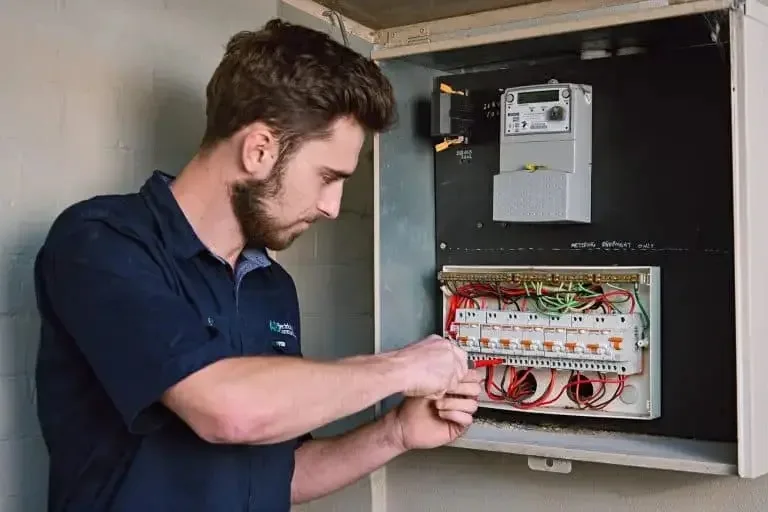
What Is Going On Behind the Wall
Think of a fuse as a sacrificial link, built to fail first so nothing more important does.
Push more current through it than it's rated for, and a thin strand of wire inside heats past its limit and separates, cutting the circuit off cleanly.
That's the whole point of it. A fuse blowing means the safety mechanism worked exactly as intended, protecting the cable running through your walls from a similar fate.
What matters more is figuring out what pushed the current that high to begin with. That's the piece worth investigating properly, not the fuse itself.
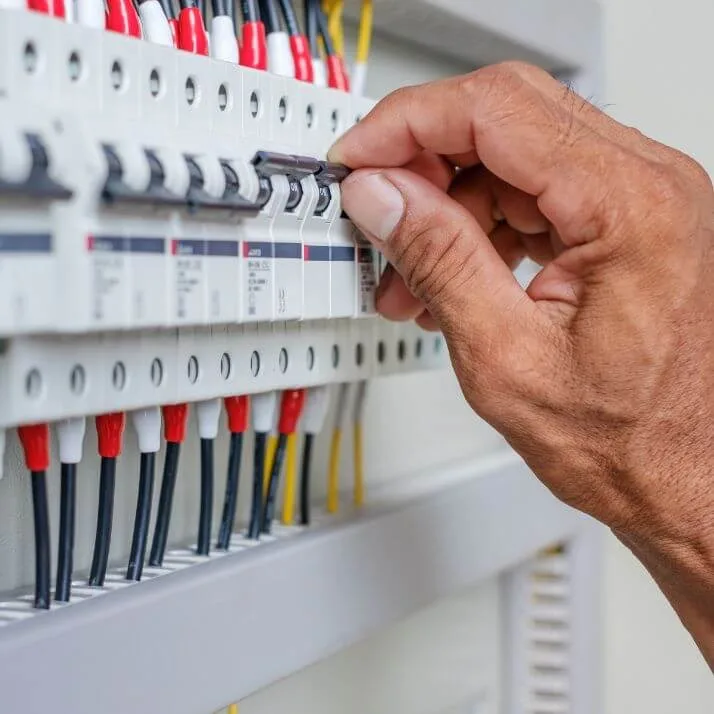
Common Causes of a Blown Fuse
A handful of triggers explain nearly every blown fuse we're called out to, some obvious and some easy to miss.
- Too many appliances sharing a single circuit. A century-old cottage was rarely designed with today's device count in mind.
- A faulty appliance drawing excess current. A failing motor or heating element is a common culprit.
- A short circuit somewhere in the wiring. Damaged insulation lets current take a path it shouldn't.
- A fuse wire rated too light for the circuit. An incorrect repair in the past can leave a fuse that blows too easily.
- Water getting into a point or fitting. Moisture can create a short that trips the fuse instantly.
- Age and wear on the fuse carrier itself. A worn carrier can behave unpredictably under normal load.
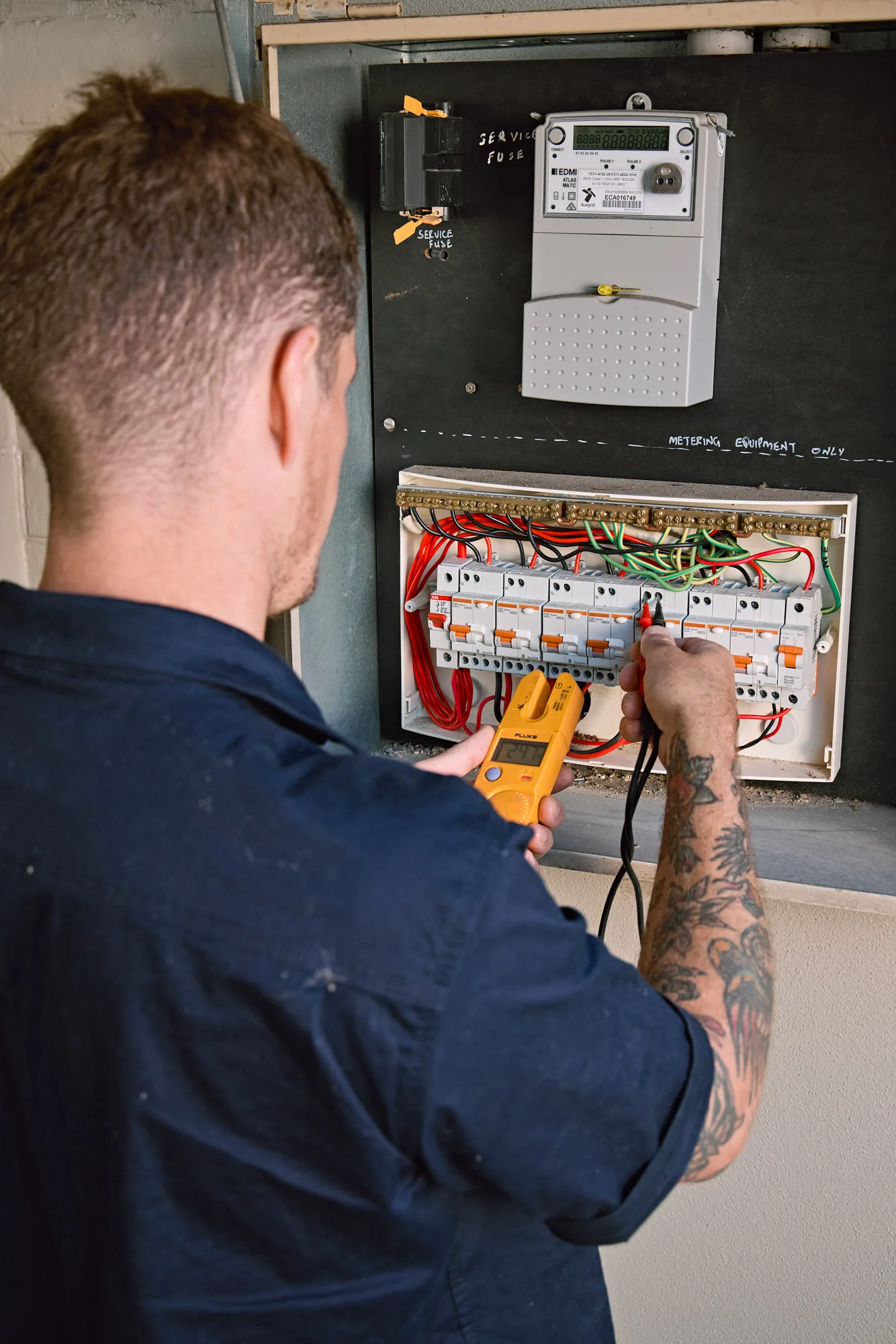
How Serious Is It?
A single fuse blowing once, with an obvious cause like an overloaded double adaptor, isn't an emergency. Replace the fuse and move on.
It becomes a different story if the same fuse blows repeatedly, if you smell burning, or if the fuse carrier shows any scorching or discolouration.
Those signs point to a fault that keeps recurring rather than a one-off overload, and that's worth a proper look rather than another quick fix.
Never bypass a fuse with anything other than the correct rated wire. A fuse that's been "fixed" with the wrong material stops doing its job entirely.
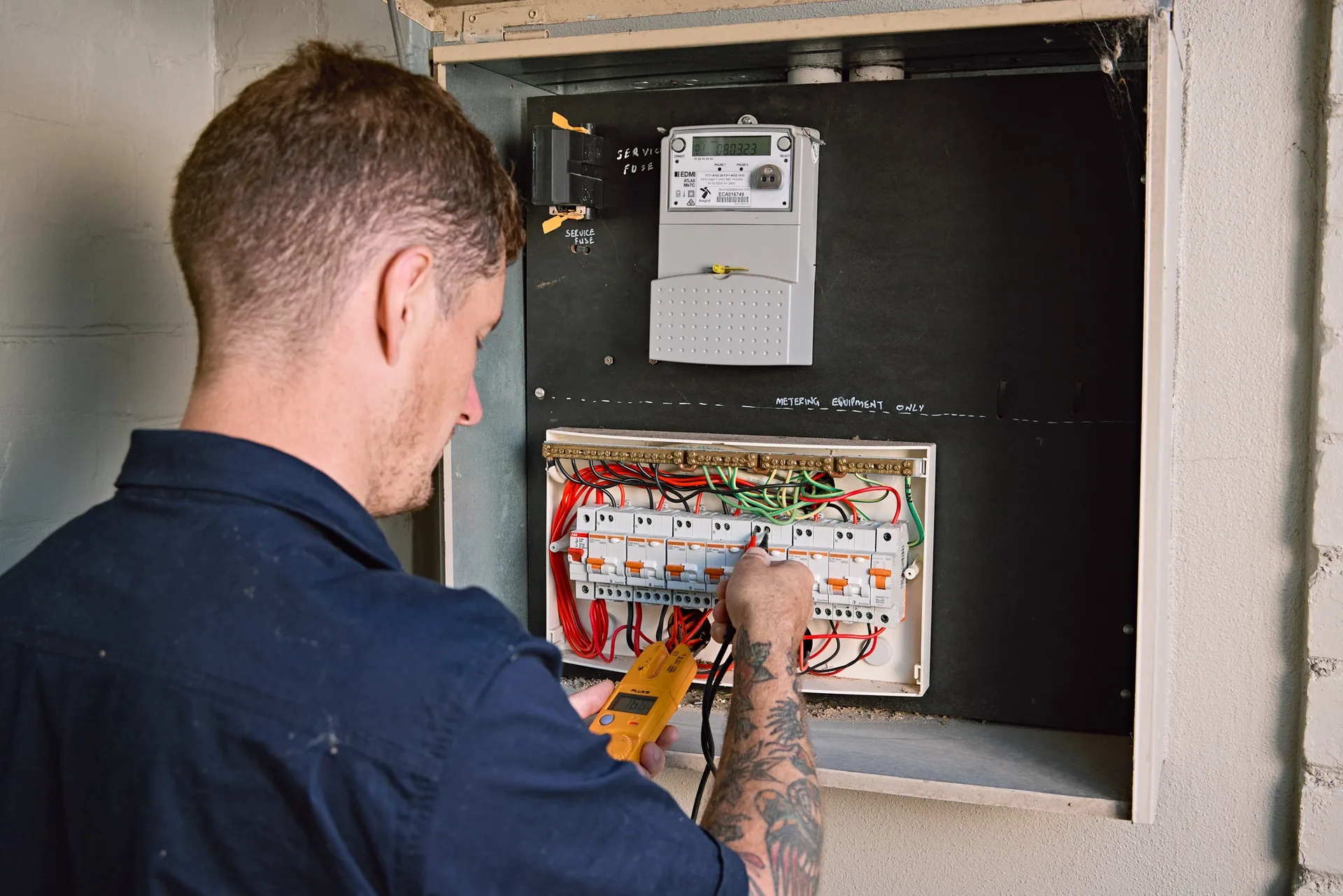
What To Do Before We Arrive
A few small steps make the fault easier for us to trace once we get there.
Work out which circuit dropped. Note exactly what stopped working.
Unplug the gear that was running. That rules a simple overload in or out straight away.
Don't touch the fuse itself. Rewiring or replacing it is licensed electrical work under NSW law, regardless of how small the job looks.
How We Fix the Fault for Good
We start by testing the circuit that failed, checking load, insulation and connections before touching the fuse itself.
Understanding the reason behind the fault matters more to us than confirming the fuse gave out, so we work out the cause first and explain the fix with a written price before proceeding.
Where the underlying issue is an old fuse-style board rather than a single fault, we'll say so honestly rather than patching the same fuse again in six months.
Notifiable work carries a Certificate of Compliance for Electrical Work once it's tested, built to the AS/NZS 3000 wiring rules throughout.
The Annandale Pattern We Keep Seeing
A lot of the fuse boxes we open up around Collins Street and the older cottage rows nearby are still running the original ceramic carriers, the fuse style that predates today's reset-and-go breakers entirely.
The wire inside each of those carriers has to be sized correctly for the circuit it protects, and over the decades a few have been replaced with the wrong gauge wire by whoever was on hand at the time.
That mismatch is a quieter cause of repeat blown fuses than most homeowners expect, and it's not something you can tell just by looking at the fuse.
It's a different issue again to the board simply running out of capacity, which is the more familiar story on an old board carrying modern appliances.
It's Often an Older Appliance, Not the Wiring
Before assuming the worst about your board, it's worth checking what was actually plugged in and running.
Appliances with a motor or heating element, think an ageing washing machine, an old bar heater, or a kettle nearing the end of its life, draw a surge of current as they start up.
On a healthy circuit, that surge is nothing to worry about. On a circuit already close to its limit, it's often the final push that takes the fuse out.
Swap the fuse and retire the suspect appliance, and if the problem's gone for good, the circuit itself was probably never at fault. If the same fuse still blows without that appliance anywhere near it, the wiring itself needs a proper look, and that's our end of things.
Keeping It From Coming Back
The most reliable fix for repeat blown fuses is moving away from fuse wire altogether.
- Replace ceramic fuses with modern circuit breakers that reset instead of needing rewiring
- Spread heavy appliances across more than one circuit where the board allows it
- Get any fuse that blows more than once checked properly, not just rewired again
- Have an electrician confirm fuse wire gauge matches the circuit if you're unsure of its history
- Book a switchboard assessment if yours still runs entirely on fuses
Retiring the fuses entirely with a switchboard upgrade ends the guesswork for good, and adding power points elsewhere spreads a chronically overloaded circuit's load.
Nearby Suburbs and Related Faults
We handle blown-fuse calls across Annandale and just as often across Camperdown, Stanmore and Leichhardt in the same week.
A modern breaker board misbehaves in its own particular way, and we've dedicated a separate page to a tripped circuit breaker for exactly that reason.

Call Now About Your Blown Fuse
Don't just replace the same fuse over and over and hope it stops. Ring (02) 9538 7444 and we'll find out why it's happening, then quote the fix on paper before we touch anything.
Common questions
Annandale Blown Fuse FAQs
The questions we get asked most about a fuse that keeps failing.
How do you find the fault?
We test each circuit in turn from the switchboard, checking load and insulation until we isolate exactly which one caused the fuse to blow.
How fast can you get to Annandale?
Often same or next day for a standard callout, faster again if there's any sign of heat or a burning smell.
Should I turn off the mains?
Not unless you can smell burning or see damage. A single blown fuse usually only affects the one circuit it protects.
How much does it cost to fix a blown fuse?
It depends on whether it's a simple fuse wire replacement or a symptom of a bigger issue with the circuit. We quote in writing on site before doing anything.
Does insurance care about non-compliant repairs?
Yes, in some cases. A repair that isn't done to standard can affect a claim later, which is exactly why every notifiable job gets certified.
Can a blown fuse cause a fire?
The fuse itself is doing its job by blowing before things get worse. The risk comes from repeatedly rewiring or bypassing it instead of finding the actual fault.